
community led housing
We build our own.
There are many ways to build the homes our communities want and need – beyond isolating, alienating, aggressively individual understandings of housing and extractive relationships to land.
Between October 2024 and June 2025, we ran a series called ‘Demystifying Community-Led Housing and Land Trusts’, facilitated by our favourite, Claude Hendrickson. Bringing together the knowledge and experience held through solidarity organising and informed by histories of Black community-led housing actions in the UK – we hoped to equip our communities with the tools to take housing back into our own hands.
That is what this series began to do.

Won't you celebrate with me,
What I have shaped into a kind of life?
Excerpt from the poem “Won’t you come and celebrate with me” by Lucile Clifton


IN CLAUDE’S OWN WORDS
“It’s about placing land in the hands of a collective with shared interests as a means to build solutions to wider systemic issues.”
Pushing back against the dominant capitalist approach to housing, which operates solely in pursuit of maximum profit - the varied methods and configurations of community-led housing offer us tools to return to the practice of building our own homes, with and for one another.
In their own ways, community-led housing initiatives bring us closer to collective practices that have been around for centuries, supporting us to better share and strengthen our resources and relationships with one another.
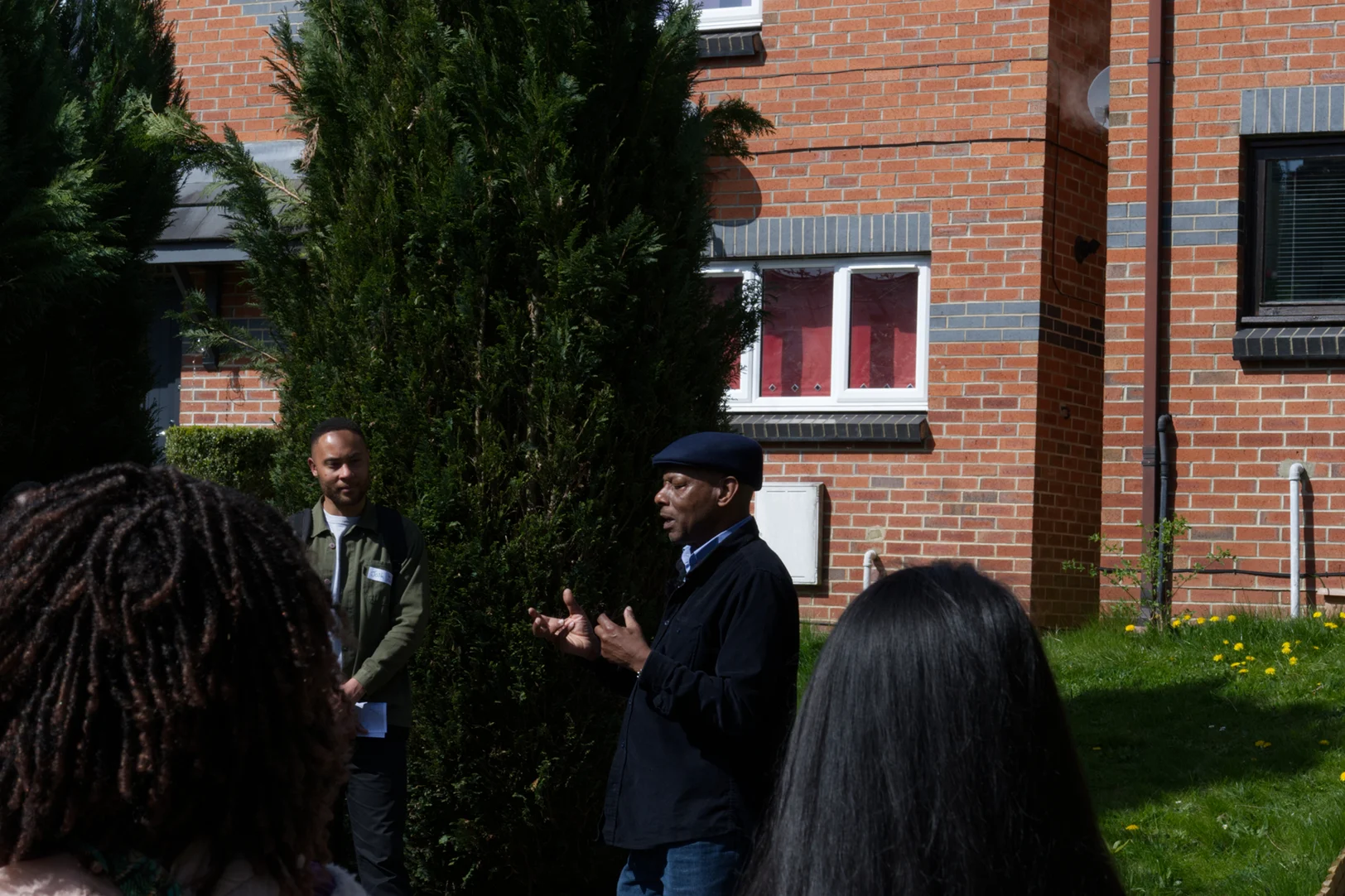
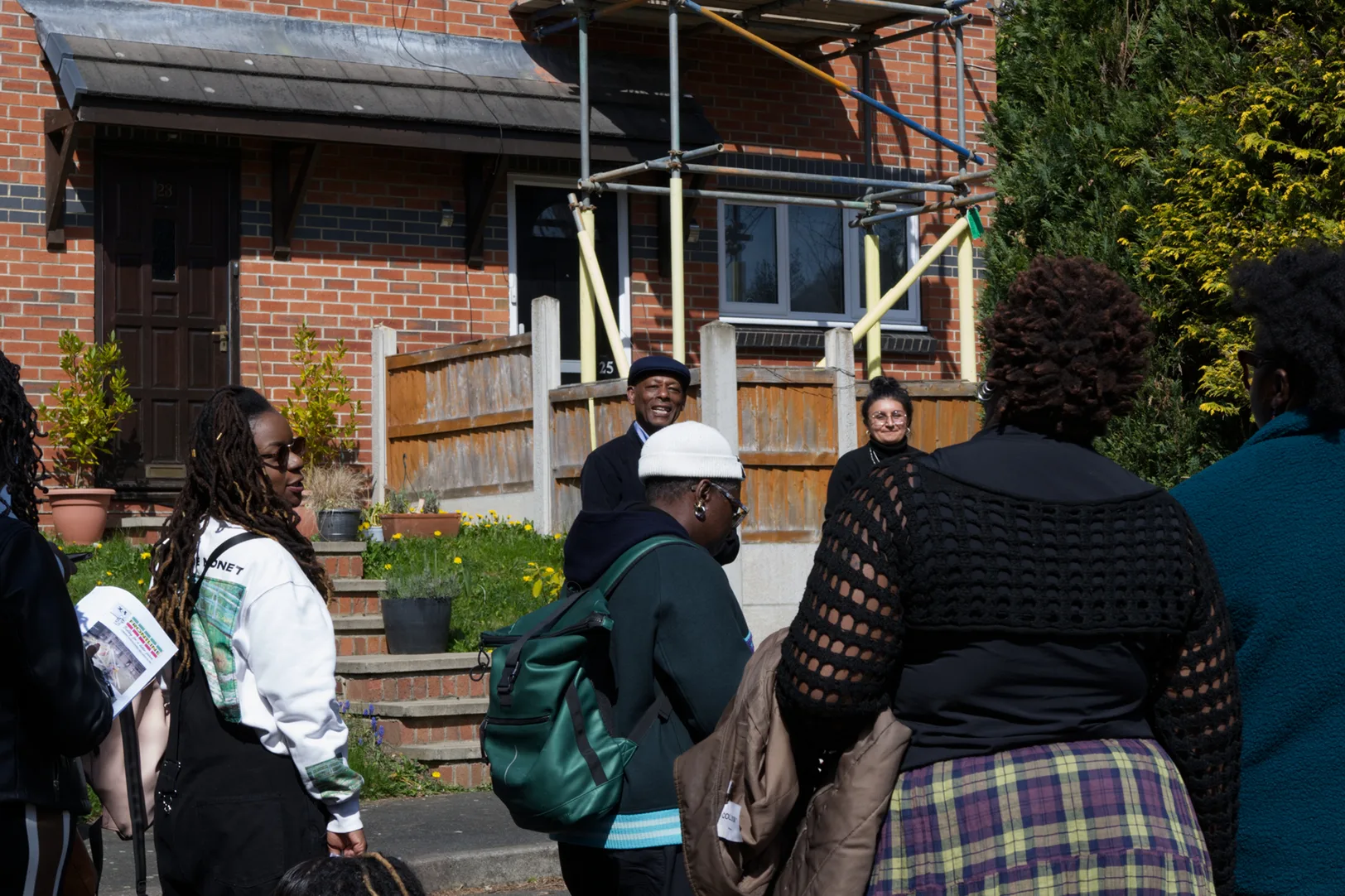
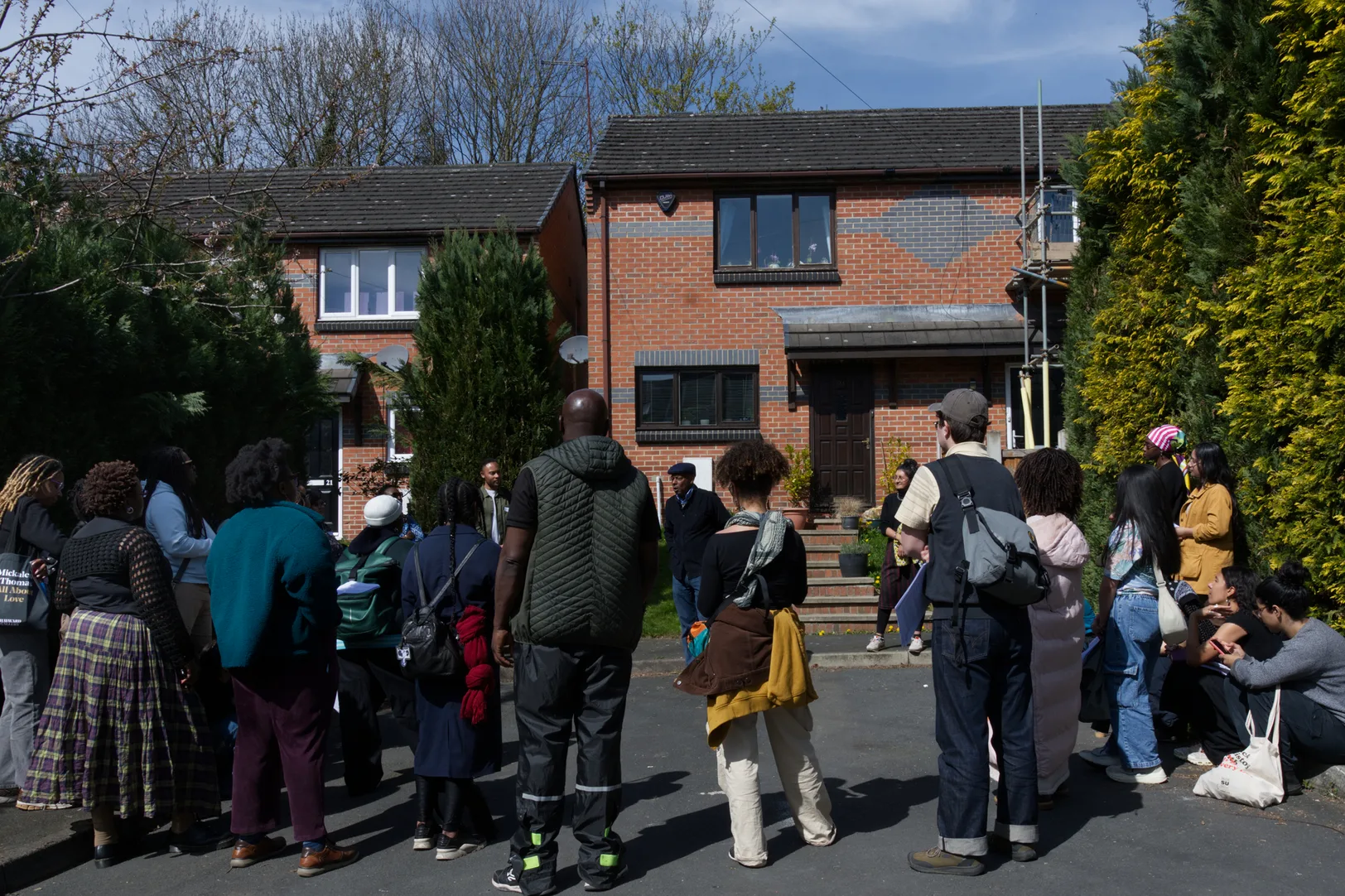
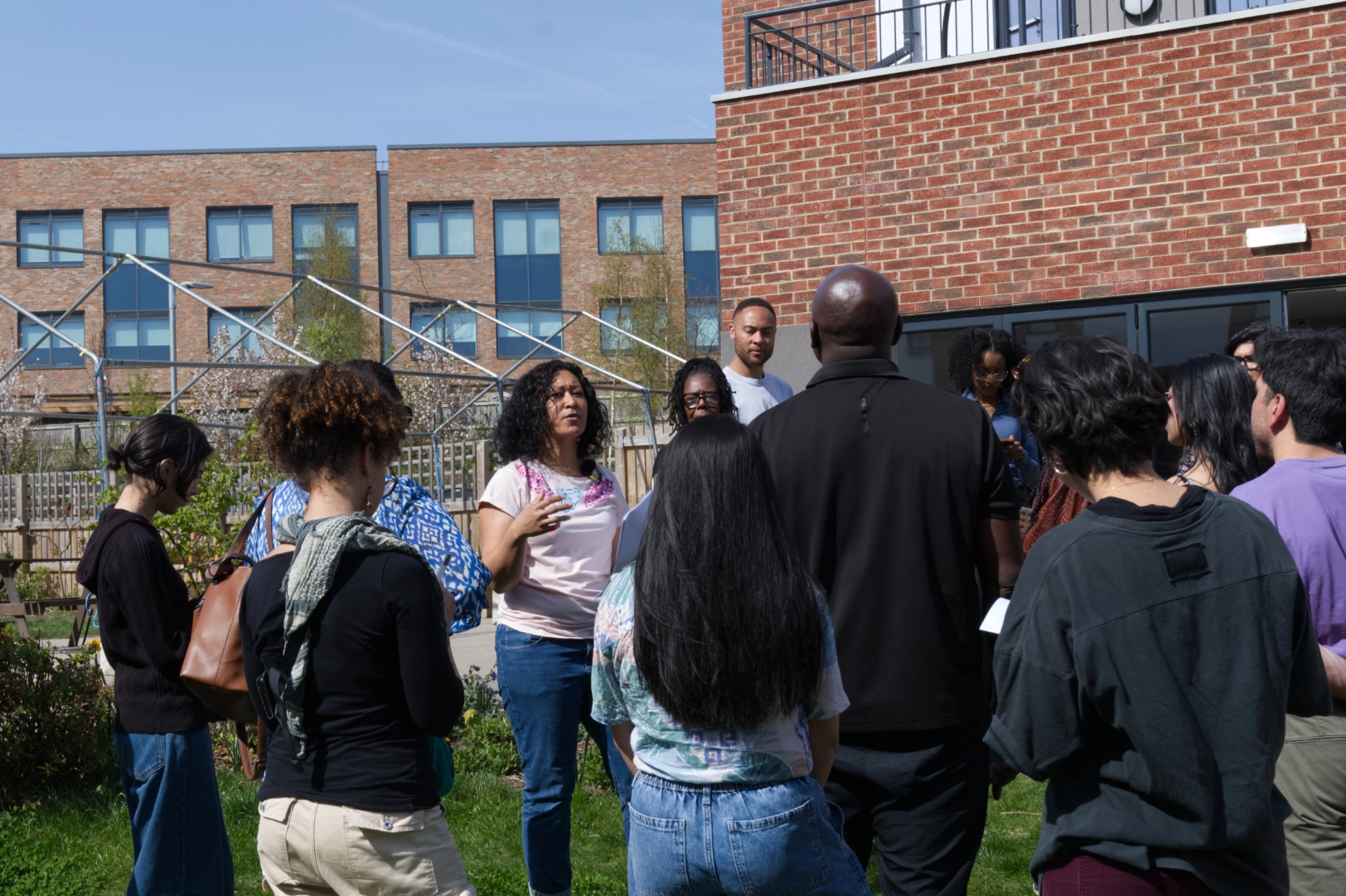
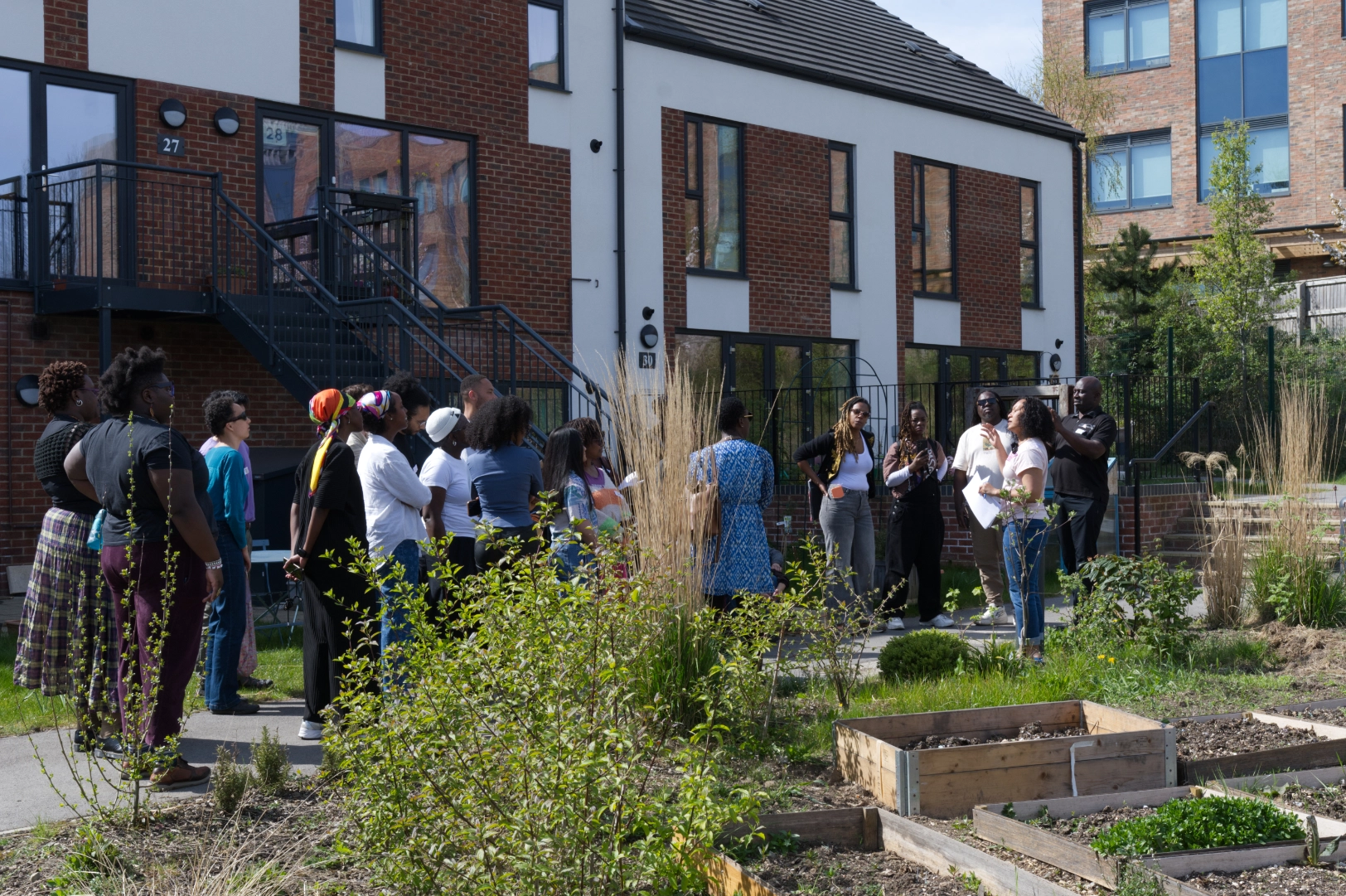
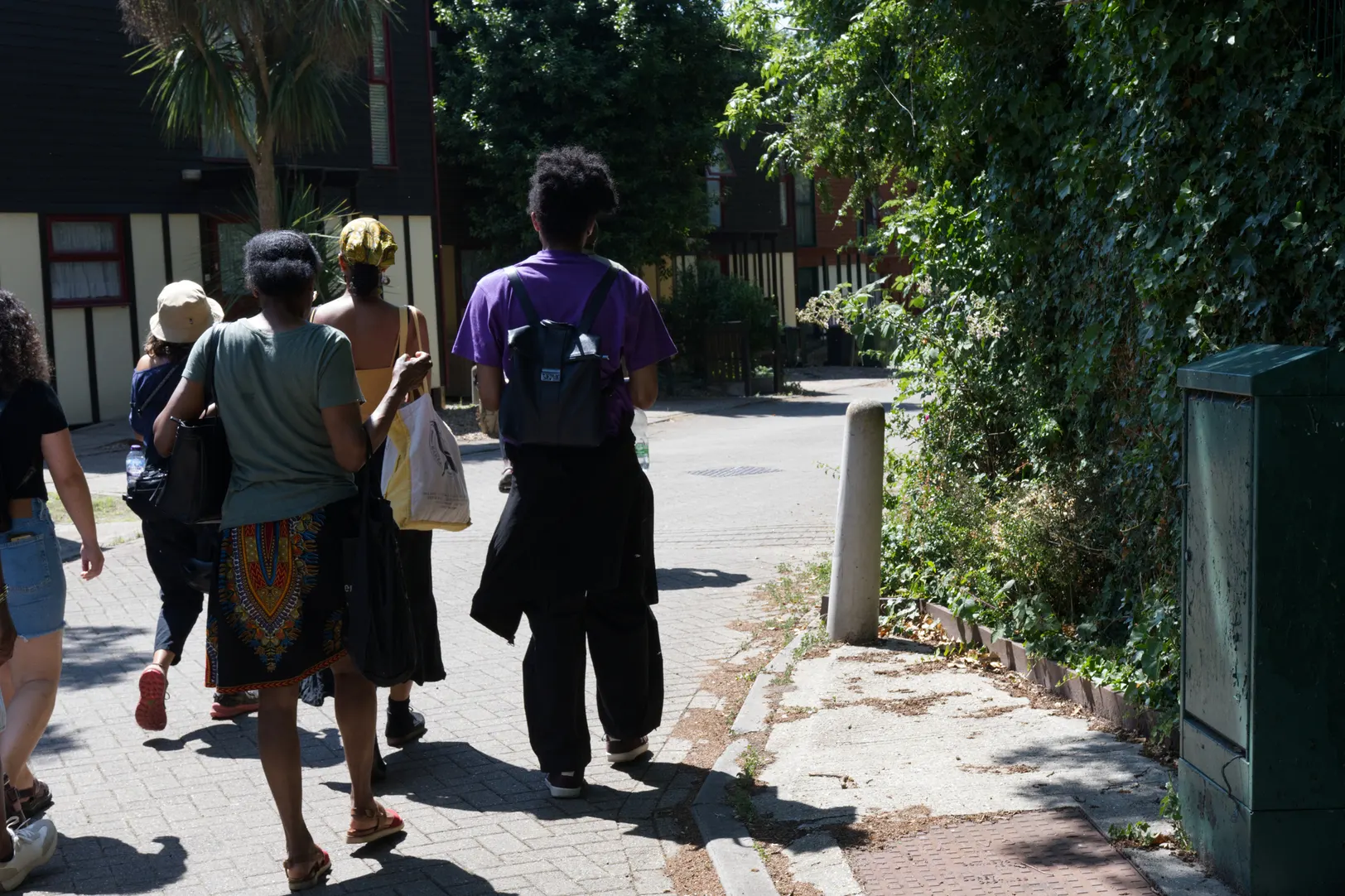
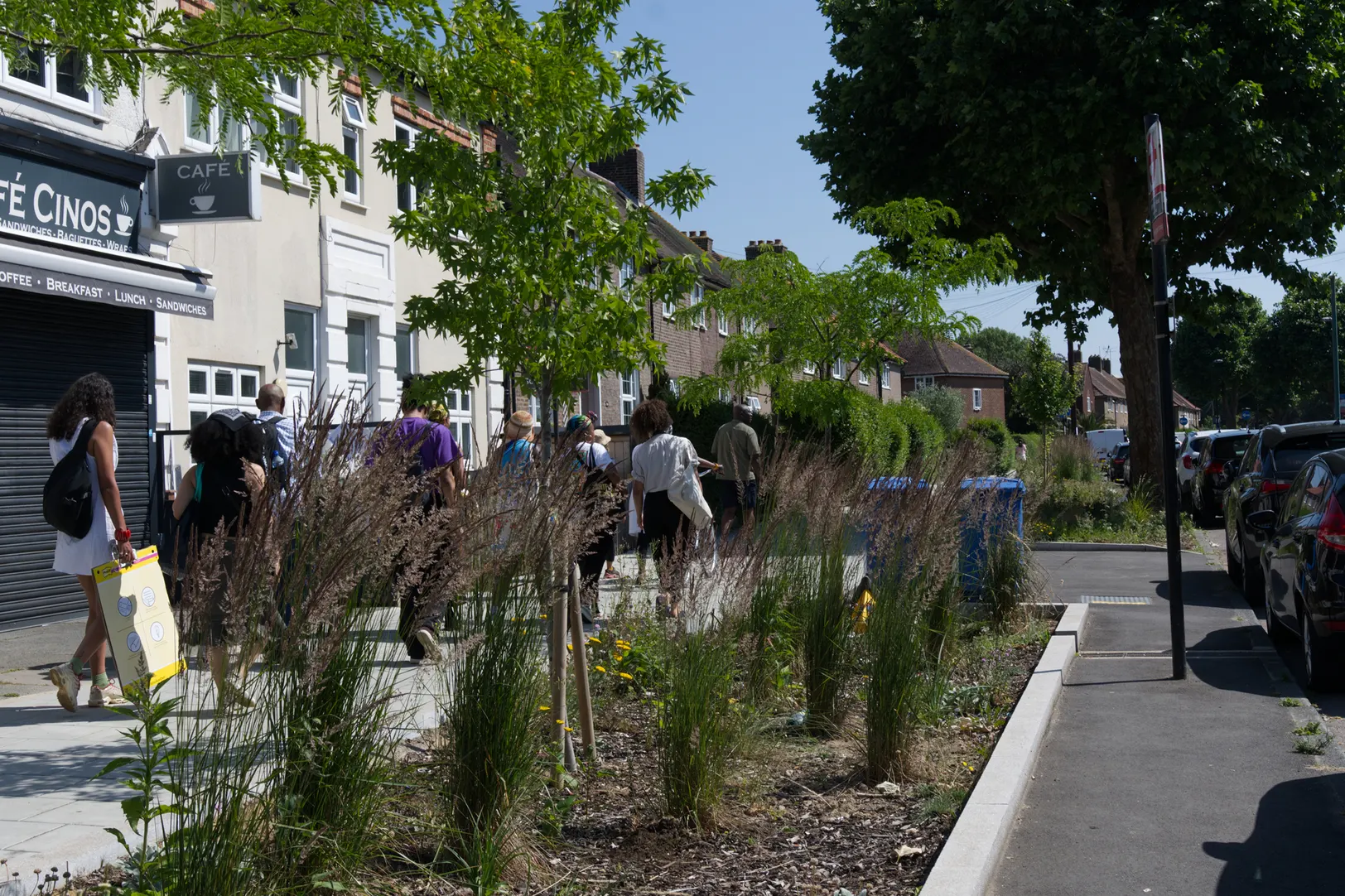
Through the political education series, we sought to clarify the varied approaches encompassed by the term ‘community-led housing’. Through site visits, we provide insights from the people and collectives currently working to bring these approaches to life.
What are the options?
Setting up your own community-led housing
In these sessions, we explored the fundamentals of community-led housing and community land trust strategies – rooted in Black liberation history. If you’re curious about approaches to land stewarding and house building in ways that meet the needs of our communities – this is the place to start.
We were delighted to be led by Claude Hendrickson - community-led housing advisor and CLT ambassador with over two decades of experience.
We take some time to define these different approaches to community-led housing – community land trusts (CLTs), community housing, housing co-operatives and self-builds – while grounded in insights from Black histories of these projects in action. We also discuss the strengths, challenges and opportunities within each of these approaches, and their potential roles in supporting community self determination. From his organising experience, Claude shares with us his wealth of reflections on the transformative potential of these approaches in addressing racial inequality.
WHAT WAS THE PROJECT?
Frontline self-build (1994) was a catalyst within Leeds to create an alternative housing provision. The city now has an extensive community-led housing network including: Latch (Leeds Action To Create Homes), Canoppe, GIPSIL, LILAC (Low Impact Living Affordable Community), and ChaCo (Chapeltown Cohousing).
CLAUDE
2:00 MINS
WHAT DID IT LOOK LIKE IN PRACTICE?
Frontline Self Build created shared ownership housing which felt like the better option in the face of the housing crisis. It consists of:
- 12 houses on floating foundations
- 92,000 bricks
- 52,000 blocks
- 6,000 roof tiles, paving slabs laid and rows of trees planted
CLAUDE
1:00 MIN
WHAT WAS LEARNED IN THE PROCESS?
The biggest learning was that community consultation and embedding into the local neighbourhood is vital. You have to take the time to engage the neighbours and local residents. This smoothes the process and reduces friction in the form of disputes or blockages.
CLAUDE
0:30 SECS
WHAT WAS THE PROJECT?
Chapeltown Co-Housing is a type of community-led housing project. Residents either rent or own their individual homes, but also partake in a shared space in the form of a ‘common house’ where they share meals, have laundry facilities and kids’ rooms as well.

CYNTHIA
1:00 MIN
WHAT DID IT LOOK LIKE IN PRACTISE?
This is true intergenerational living, as the oldest residents are in their 80s and the youngest are children. Decisions are made through consensus - for example, the choice to cook meat-free meals to be more inclusive for residents on site. There are many opportunities to gather in the shared house to build.
CYNTHIA
0:45 SECS
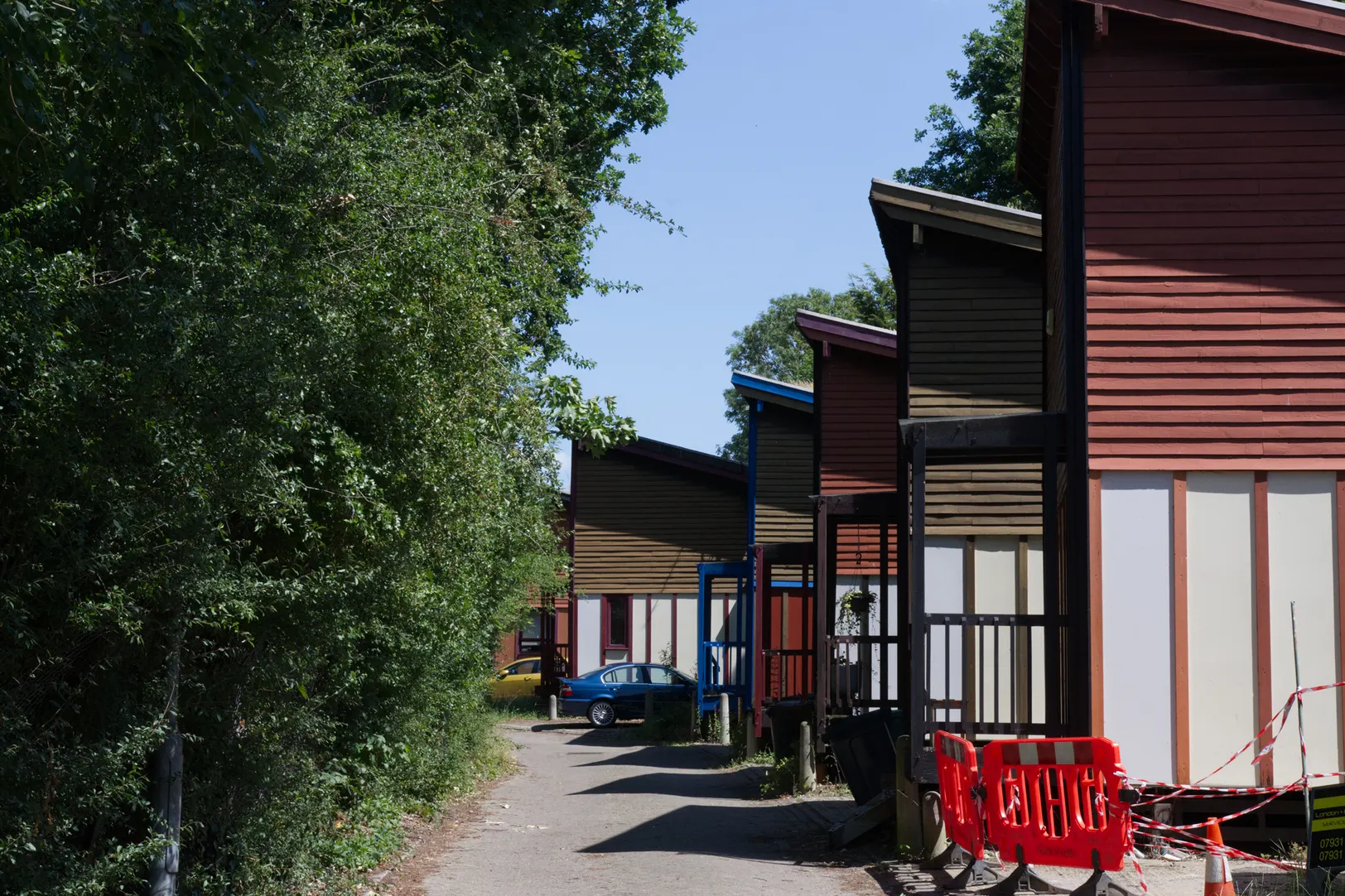
NUBIA WAY
One of three Black-Led community housing projects in Lewishwam, built in the 1990s by London’s first Black house co-operative, Fusions Jameen. Made up of 13 timber-framed houses, self-builders received long-term discounted rent in exchange for their labour.

TIM
0:46 SECS
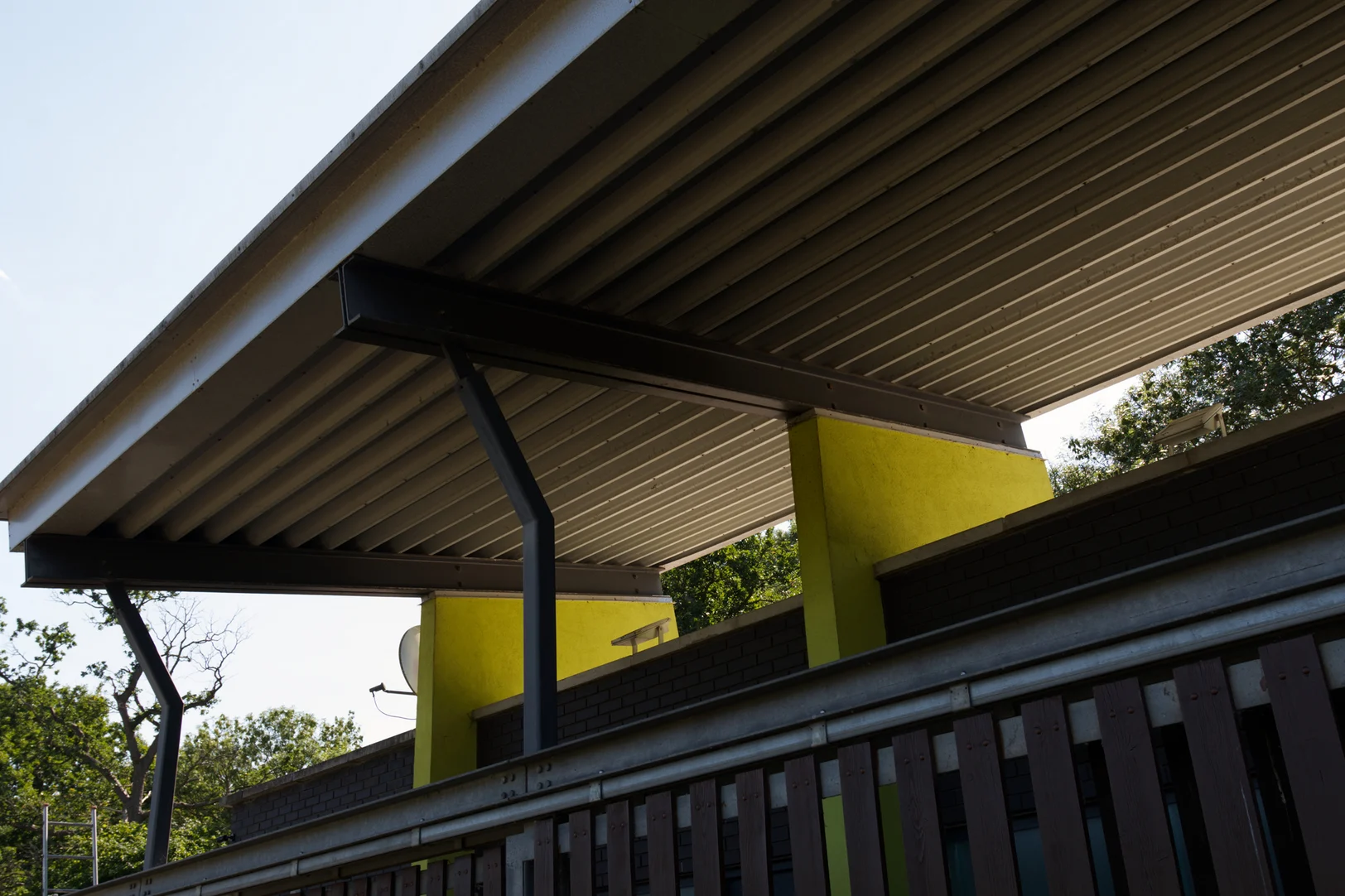
TEN EM BEE
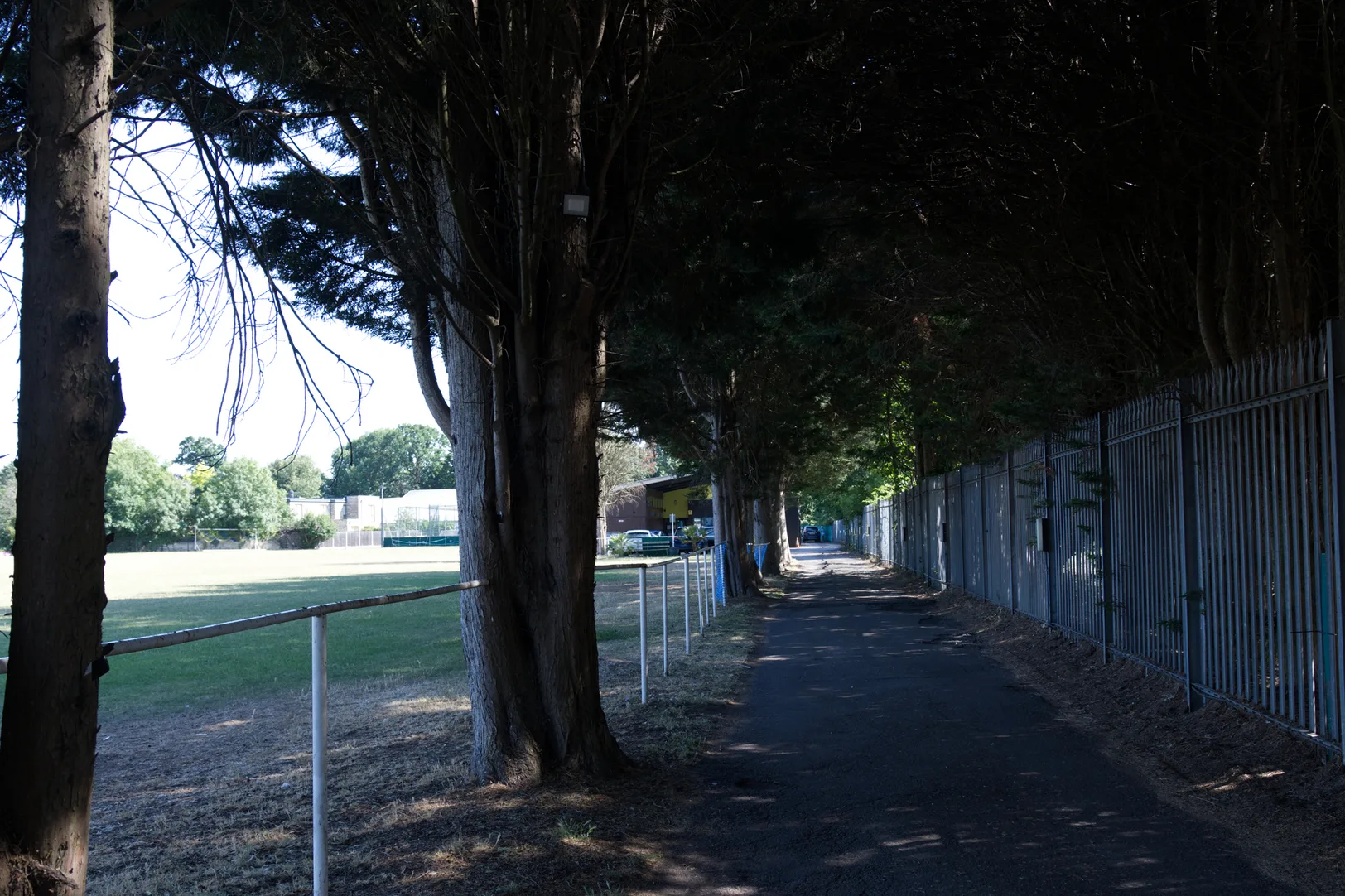
A Black-led Healthy Living Centre that holds social activities to subsidise sports activities. A key location and project in the Downham Health Through Sports, Leisure and Nature initiative.
TIM
0:30 SECS
DOWNHAM CLT
The Downham Dividend Society CLT focuses on community-led generation, especially intergenerational poverty and health inequalities. Through programs like Donwham Health Through Sports, Leisure and Nature, they tackle health disparities and environmental racism.
TIM
0:35 SECS
A method of collectivised resistance, placing land/housing in the hands of a collective with shared interests. It’s about local people playing a fundamental role in solving their specific housing problem by creating long-term affordable homes and strong, resilient communities in ways that are difficult to achieve through mainstream systems.
This is when groups of local people who are in housing need, build homes for themselves with external support. The process is managed collectively and together the group learns new skills to build homes using efficient construction methods.
A way for communities to build, bring back into life, or protect buildings and services that are important to them. These are not-for-profit organisations who acquire land through purchase, long-lease or as a gift, and hold it in perpetuity as a community asset. Projects can include building/renovating houses, taking over local hospitality venues or shops, or creating play areas and nature walks.
A collective of people who provide and manage affordable homes on a democratic membership basis. They often use democratic structures, such as electing officers like a chair, treasurer, and secretary, to ensure the organisation addresses member needs.
Intentional communities where like-minded people live in self-contained private homes, but share communal spaces and resources to foster social connection. This model emphasizes interdependence, allowing residents to maintain privacy while participating in shared activities and collective care.
These provide social housing tenants with collective responsibility for managing and maintaining the homes through an agreement with their council or housing association landlord.
Small, community-based organisations who bring empty properties back into use, with a strong emphasis on construction skills training and support. They often do this without mainstream funding.
Independent, well-established community-led organisations in local areas. Along with community ‘anchors’ they focus on a range of economic, social and environmental issues including Community-Led Housing provision.
We Build Our Own Home will continue experimenting in solidarity economics at the intersection of health equity, land justice and collective liberation.
Later this year, we’ll be running a popular education series and community gathering to help build economic models that support health equity and healing infrastructure. Hit the button to sign up for updates.
who was involved in the project
- Claude (Lead)
- Cynthia (Contributor)
- Tim (Contributor)
- Raks (Project manager and facilitator)
- Simmone (facilitator)
- Guppi (series producer)
- Natasha (event production)
- Cheyenne (event support)
- Roshni and Kavya (Comms production)
- Natalya (content producer)
- Sarah (content producer)